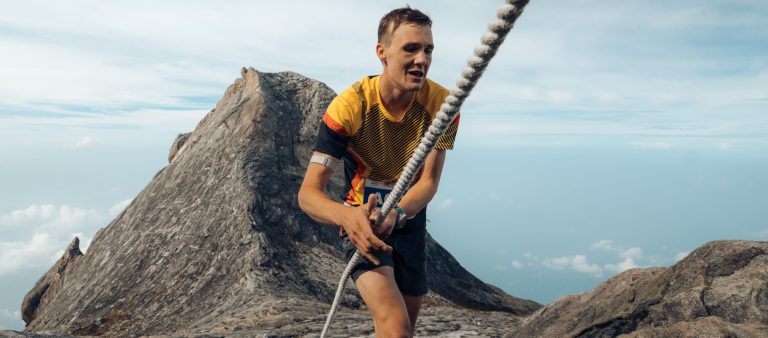
Running on exposed trails can be one of the most challenging aspects of mountain running. Narrow ridgelines, steep drops and technical terrain can create hesitation and anxiety, even for experienced runners.
Learning to manage fear of exposed trails allows you to move more confidently, maintain control and enjoy running in more technical mountain environments.
Why Fear Happens on Exposed Terrain
Fear is a natural response when running in environments where there is a perceived risk. Exposure to height, unstable footing and unfamiliar terrain can all trigger hesitation.
Understanding that this response is normal helps you approach it in a controlled and constructive way.
Start with Gradual Exposure
Confidence develops through experience. The best way to reduce fear is to gradually introduce yourself to more exposed terrain over time.
Start with:
- Wide trails with minimal exposure
- Short exposed sections
- Routes you can control and exit easily
As confidence grows, gradually increase the difficulty of the terrain.
Focus on What You Can Control
Fear often comes from focusing on what could go wrong. Shifting your focus to what you can control helps reduce anxiety.
Focus on:
- Foot placement
- Balance and posture
- Breathing and rhythm
Keeping your attention on the trail directly ahead helps maintain control.
Slow Down and Stay in Control
There is no benefit to rushing through exposed terrain. Slowing down improves balance, accuracy and confidence.
Running at a controlled pace allows you to:
- React to changes in terrain
- Maintain stability
- Reduce the risk of mistakes
Confidence comes from control, not speed.
Use Breathing to Stay Calm
Controlled breathing can help reduce anxiety in exposed environments.
Try:
- Deep, steady breaths
- Slowing your breathing when tension increases
- Using breathing as a focus point
This helps keep your mind calm and your body relaxed.
Break the Trail into Sections
Long exposed sections can feel overwhelming. Breaking them into smaller segments makes them more manageable.
Focus on reaching the next safe point rather than the entire section. This reduces mental pressure and builds confidence step by step.
Build Confidence Through Repetition
The more time you spend on exposed trails, the more familiar they become.
Repeated exposure helps:
- Reduce fear responses
- Improve movement on technical terrain
- Build long-term confidence
Consistency is key to overcoming fear.
Know When to Walk
Walking is a smart and controlled approach on difficult terrain. There is no disadvantage in choosing stability over speed.
Walking allows you to:
- Stay safe
- Maintain confidence
- Conserve energy
Confidence grows when you feel in control of your movement.
Key Takeaways
Overcoming fear of exposed trails takes time, patience and consistent practice. By gradually increasing exposure, focusing on control and building confidence through experience, runners can move more comfortably and safely on technical mountain terrain.